-
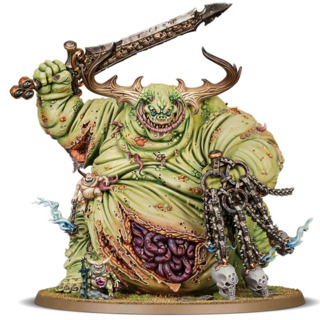
Great Unclean One of Nurgle
The greatest of all of Nurgle's Daemons, the Great Unclean One is a hideous but jovial monstrosity that radiates disease with its very presence.
First appeared in Warhammer 40,000: Dawn of War
-
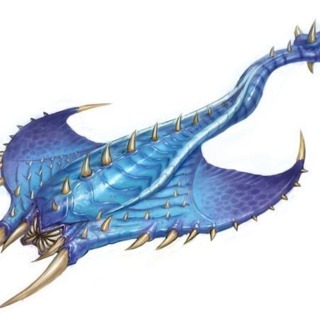
Screamer of Tzeentch
First appeared in Total War: Warhammer III
-
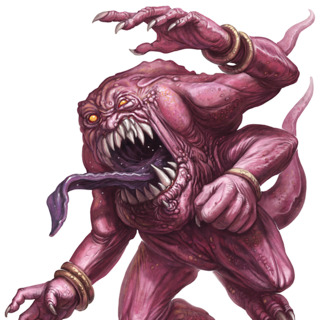
Horror of Tzeentch
First appeared in Warhammer 40,000: Dawn of War
-
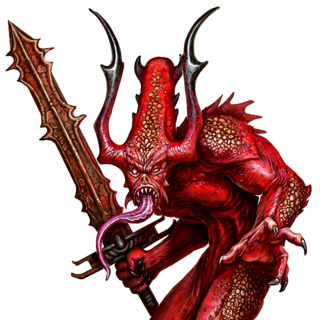
Bloodletter of Khorne
The rank-and-file Daemons of Khorne, each one a vicious and merciless warrior.
First appeared in Warhammer 40,000: Dawn of War II
-
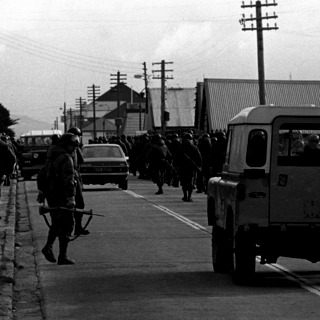
Falklands War
An undeclared, 2-month war between the British Falkland Islands and Argentina in 1982. The war ended in British victory.
First appeared in Falklands 82 - "The Empire Strikes Back"
-
Police Antagonist
Games where one or more of the player's antagonists are a law enforcement officer. This can be because the player is a criminal, or any other number of reasons, including corrupt/dirty/prejudiced cops.
First appeared in Lupin III
-
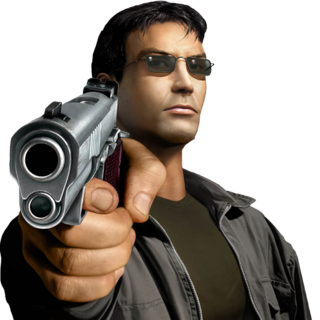
Police Protagonist
Games where the main character, or most/all of the playable cast, are or were members of traditional law enforcement.
First appeared in Police Jump
-
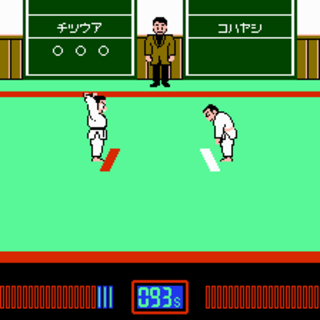
Jūdō
"The gentle way", a martial art focused on grapples and throws.
First appeared in Uchi Mata
-
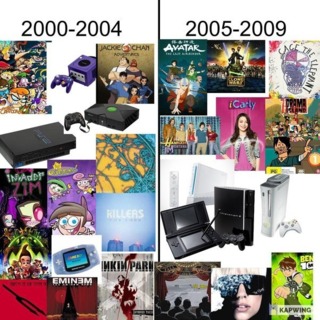
The 2000s
Games set in, or focused primarily around, the years between 2000 and 2009.
First appeared in Manhunter: New York
-
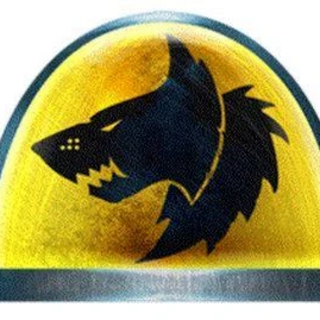
Space Wolves
The VIth Legion of the Space Marines, they are among the most prominent Space Marine chapters, well-known for their clashes with the Thousand Sons and for telling tall tales about their accomplishments.
First appeared in Warhammer 40,000: Space Marine
-

Hedgehog Engine
A graphical engine created by Sonic Team which is mainly used for lightining effects.
First appeared in Sonic Unleashed
-
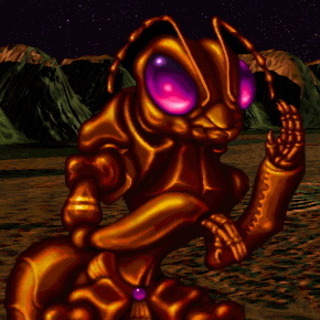
Insectoid Humanoid
Bugs that are sapient beings and have humanoid and/or anthropomorphised features to varying degrees. This page includes Arachnids (Spiders, Scorpions) for brevity.
First appeared in Bugaboo (The Flea)
-
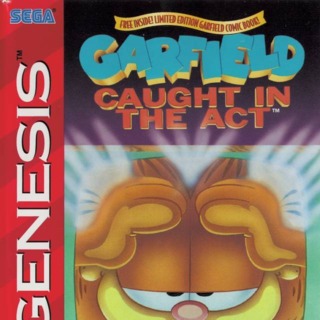
Lost Media
Released games which have versions or DLCs that became lost media. Sometimes the entire game became lost.
First appeared in Knights in Armor
-
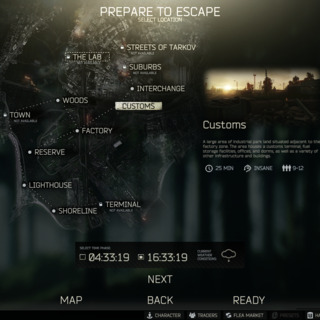
Extraction Shooter
Extraction Shooters (also known as "Extraction Games") are usually PvPvE multiplayer games or gameplay modes where the player must reach an extraction point to be able to escape and keep any loot gathered in a run.
First appeared in Escape From Tarkov
-
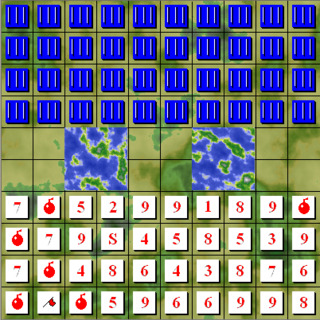
Stratego
A two player strategy board game.
First appeared in Stratego
-
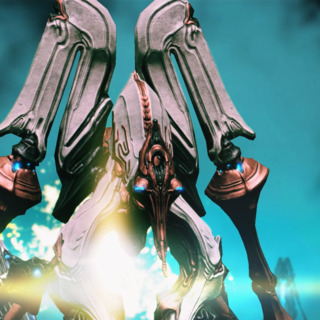
Sentients
The Sentients are an artificial race that were the chief enemies of the Orokin during the Old War.
First appeared in Warframe
-

Beagle
First appeared in Snoopy: The Cool Computer Game
-
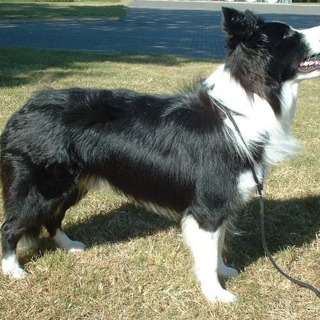
Border Collie
A British breed of dog.
First appeared in Koinu de Kururin
-

Dachshund
A German breed of dog, which is also known as ''Sausage Dog''.
First appeared in Dogz
-
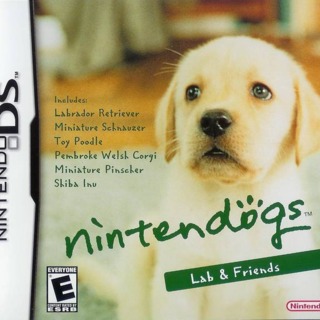
Labrador Retriever
A British breed of dog.
First appeared in Clifford the Big Red Dog: Learning Activities
-
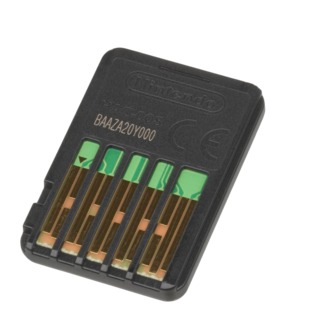
Switch Game Card with a circuit board
Smaller Switch Game Cards (between 1 and 4 gigabytes) will have a green circuit board.
First appeared in Syberia
-
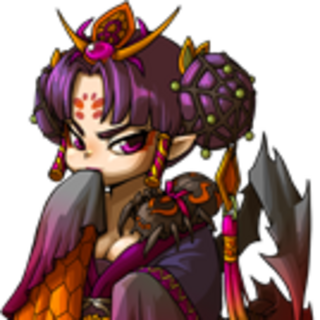
Spider Demon Sisters
Seven spider demons from the Journey to the West novel.
First appeared in Zhēn Běn Xī Yóu Jì: The Adventures of Monkey
-

Java engine
First appeared in Doodle Jump
-
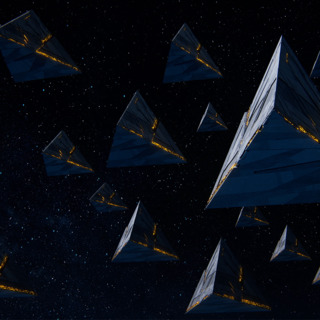
The Black Fleet
The Black Fleet is an armada of massive Darkness-aligned tetrahedral vessels, known as Pyramids.
First appeared in Destiny 2
-
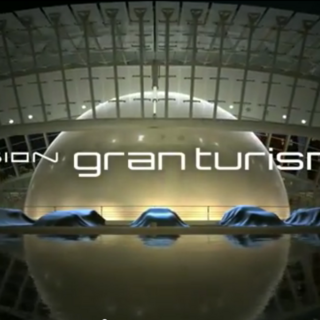
Vision Gran Turismo
Vision Gran Turismo is a concept car program created by Polyphony Digital, in collaboration with numerous car manufacturers.
First appeared in Gran Turismo 6
-
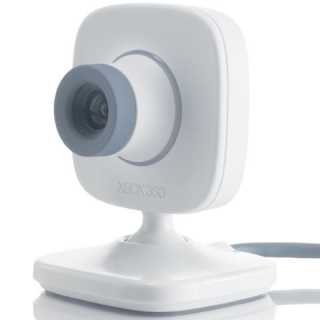
Xbox Live Vision Support
Xbox Live Vision is a webcam designed for the Xbox 360.
First appeared in Warlords
-
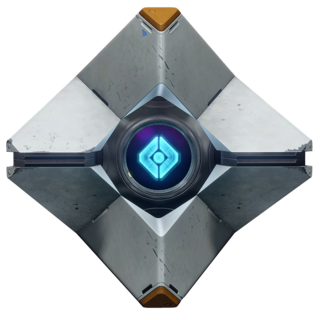
Ghost
Ghosts are small, sapient machines created by the Traveler shortly after the Collapse. Their sole purpose is to locate and resurrect deceased individuals capable of wielding the Light as Guardians, and to support their Guardian charge in combat.
First appeared in Destiny
-

Sloth
A very slow animal.
First appeared in Penguin Wars
-
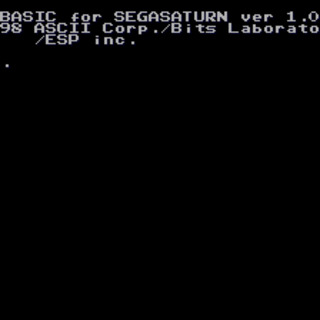
BASIC programming language
BASIC programming software released for the home consoles and handhelds.
First appeared in Game Basic for Sega Saturn
-

Soccer
Soccer (short term for "association football") is a ballgame and team sport where two teams compete over scoring the most goals. It is one of the most popular sports on Earth.
First appeared in NASL Soccer
-
The 22nd Century
The period between 2100 and 2199.
First appeared in Showdown in 2100 A.D.
-
United States Coast Guard
The United States Coast Guard is a branch of the military that protects the American coasts from threats.
First appeared in Cold Fear
-

Game Developers Choice Awards 2023
The 23rd annual Game Developers Choice Awards celebrate the best games of 2022.
First appeared in Elden Ring
-
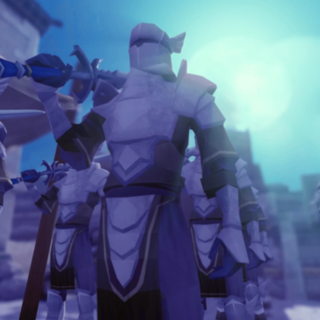
White Knights
Knights in white or shiny silver armor. The term "White Knight" is often used to denote an exceptionally noble or chivalrous individual, synonymous with the similar descriptor of "Knight in Shining Armor". Despite this, not all White Knights in fiction are heroes...
First appeared in Final Fantasy IV
-
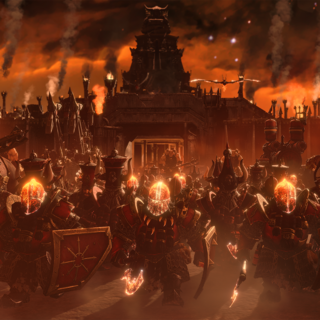
Chaos Dwarfs
The Chaos Dwarfs, known in their own tongue as the Dawi-Zharr (literally "Fire-Dwarfs" in Khazalid), are an industrious, malevolent counterpart to the Dawi. Turning their backs on the ancestor gods, they pledged themselves to the minor Chaos God Hashut.
First appeared in Total War: Warhammer III
-
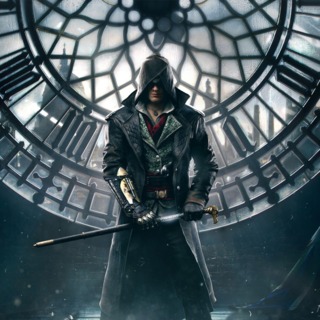
The 1860s
Video games set in, or focused primarily around, the years between 1860 and 1869.
First appeared in North & South
-
Glaiel Engine
A proprietary game engine developed by Tyler Glaiel, notable for its ability to import SVG files and fast loading time.
First appeared in The End is Nigh
-
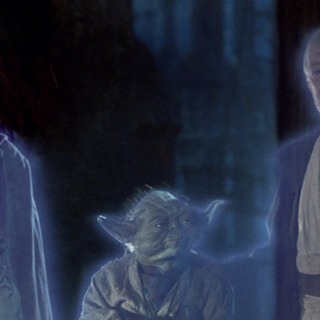
Force Ghost
When one who is particularly strong in the Force dies, there is a possibility that they retain their individuality as a spirit. Some Dark Side-aligned spirits attempt to cheat death in this way.
First appeared in Star Wars: Knights of the Old Republic
-

Shadow Legion
The Shadow Legion (also known as the Dark Cabal) are a Cabal Legion that act as enforcers to the newly risen Disciple of the Witness, Emperor Calus and possess Pyramid tech to suppress the Guardian's powers.
First appeared in Destiny 2
-
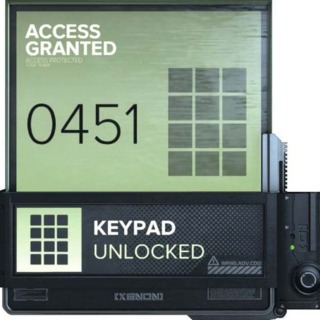
0451
The door code of Looking Glass Studios, often used in their and other studios' games as an easter egg.
First appeared in System Shock
-
Kaminari Kid
An indestructible, petit lightning oni enemy. Appears only in Sky Kid Deluxe/DX.
First appeared in Sky Kid Deluxe
-
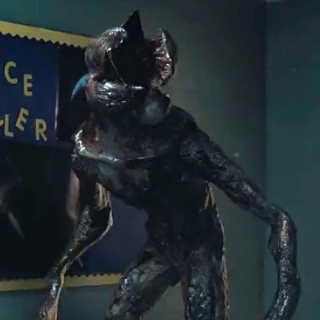
Demogorgons
Demogorgons are the mysterious creatures of the Upside Down that Eleven named after the monster from Dungeons & Dragons.
First appeared in Dead by Daylight
-
Spherical Protagonist
Games whose main character is ball-shaped, sometimes with a face and/or hands/feet, but mostly just spherical.
First appeared in Pac-Man
-
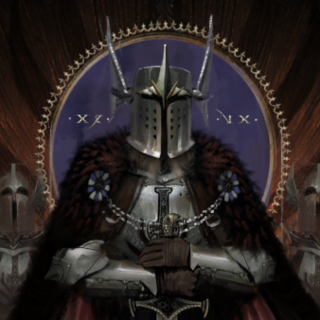
Templars
A militant knightly order who answer to the Chantry, tasked with "monitoring" Mages and hunting down those who refuse to do as the Chantry says.
First appeared in Dragon Age: Origins
Use your keyboard!
- ESC
Log in to comment