Series & Sub-Franchises
Note: This list does not include every Sonic title, only certain series of Sonic titles.
Sonic original series (Sega Genesis)
Adventure series (Sega Dreamcast)
Both Sonic Adventure titles were eventually ported to Nintendo Gamecube with remastered visuals and minor additions. The Gamecube versions were released in reverse order, and are named Sonic Adventure 2 Battle (2002) and Sonic Adventure DX: Director's Cut. (2003)
Advance series (Game Boy Advance)
Rush series (Nintendo DS)
Rivals series (Sony PSP)
''Storybook series'' (Nintendo Wii)
''Modern Sonic'' installments
Sonic The Hedgehog 4
Sonic & Sega All-Stars Racing
Overview
 The first ever Sonic title
Sega's flagship franchise was created by Yuji Naka to compete with the runaway success of Nintendo's mascot, Mario. The first game in the series, titled Sonic the Hedgehog, was released in 1991 and was a commercial and critical hit helping to sell many consoles. Since those heady days Sega has continued to develop and release a number of Sonic games to varying degrees of success. As console power increased so did the scope of the Sonic games, taking in 3D action platforming and racing games. Whilst a number of these titles have been successful in some respects, there is still a yearning nostalgia within the gaming community for Sonic's early ''glory years'', the 2D platform games of old.
Early games (1991-1994)
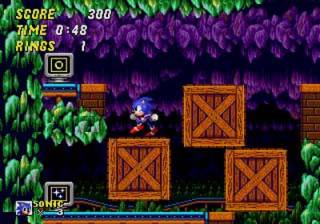 Sonic The Hedgehog 2
Sonic was first introduced in 1991 with the release of Sonic the Hedgehog for the Sega Genesis (Mega Drive in Europe) and a separate game for Sega Master System also named Sonic The Hedgehog. This Master System version was also ported to the Sega Game Gear. The Sega Genesis game stood out owing to the speed of the gameplay (for its time) and the fluidity of the visuals and gameplay. There was simply nothing like it upon release it and it helped to improve Sega's gaming credentials like no other title before or since. Owing to the success of the original it was not long until Sega released the inevitable sequel.
 Sonic and Knuckles
A year later in 1992, Sega released Sonic the Hedgehog 2. For the first time ever Sonic had a world wide launch. The game introduced Sonic's first partner in crime (or platforming, as Sonic don't break no laws) [Unless those laws include destruction of property, and trespassing.] -- Miles "Tails" Prower, a fox with two tails who could fly for short distances. The game was heavily advertised for having something called ''blast processing'' which essentially just meant that the game was fast.
Sonic The Hedgehog 31994 saw the release of Sonic the Hedgehog 3. The team that was working on this game decided to redraw sonic and give him slightly more of an organic, cartoonish look. The game saw the return of Tails and a brand new character named Knuckles The Echidna. Players were not able to play as Knuckles but ran into him a lot in the game. This was supposedly because there was not enough cartridge space (or development time) to fit Knuckles in as a playable character. When Sonic and Knuckles was released it included "lock on technology" the cartridge itself had its own cartridge slot, meaning you can connect your Sonic the Hedgehog 3 cartridge and as a result you were able to access more of the game than possible otherwise, including Knuckles as a playable character. Sonic the Hedgehog 2 was also compatible with this lock on technology and also introduced Knuckles as a playable character in Sonic 2. Lock-on also means players could play co-operatively with a friend as Sonic and Tails through the stages of Sonic and Knuckles, which you could not do if you owned Sonic and Knuckles but didn't own Sonic The Hedgehog 3.
The Later Years (1999-Present)
Sonic AdventureAlthough there were a few unsuccessful attempts to bring Sonic into 3D towards the end of the 16-bit generation and during the 32-bit generation with the Sega Saturn, notably in the form of Sonic R (a racing title), Sonic's first true jump to 3D in a complete Sonic title that wasn't a spinoff title was Sonic Adventure, released in 1999 for the short-lived Sega Dreamcast. The game was highly ambitious in its mix of action stages and adventure stages and saw the introduction of a number of new characters as well as the reinvention of the existing ones, which were now fully animated and fully voiced 3D models. Sonic Adventure and its eventual sequel Sonic Adventure 2 (which omitted adventure stages entirely and refined the action stage gameplay) each scored well with critics upon their respective release, but their eventual ports on non-Sega consoles, renamed to Sonic Adventure 2 Battle and Sonic Adventure DX: Directors Cut fared less well in terms of critical reception, as they are largely identical to their original versions, aside from being graphically remastered.
Sonic HeroesSonic's first multiplatform title (that wasn't a port of an existing title) came with the release of Sonic Heroes, a game that bore some resemblance to the Adventure series action stage gameplay, but had the player control not just one character, but 3 characters which the player could switch between on the fly. This was followed by Shadow The Hedgehog, which had players control Shadow, and instead of the team-based mechanics of Sonic Heroes, players could wield various weapons including lasers, rockets, and guns that can be acquired from defeated enemies.
Sonic The Hedgehog (2006)The leap to the next generation of consoles (Xbox 360 and Playstation 3) proved to be even more difficult than the previous one. Sega released Sonic the Hedgehog (2006) in 2006. Rushed to release, the game was highly criticized both for its technical flaws, long load times, and for repeating past mistakes. It is generally considered a extraordinarily low point for the series.
2D Sonic Still Alive?
Sonic RushMany Sonic fans found a silver lining to the state of the Sonic series throughout the years, in the form Sonic's handheld titles (starting with Sonic Advance) which did not share the same criticism of Sonic outings with 3D gameplay. In November 2005 Sega released Sonic Rush for the Nintendo DS. Following the evolutions taken by Sonic Advance 2 and Sonic Advance 3 which were released for GBA, Rush played to a newly discovered series strength as a brutally fast 2D platformer above all else, emphasizing speed and player reaction while forgoing the gameplay and control nuances of classic Sonic titles. Although Sonic Rush adds it own gimmicks to the series, this time in the form of a trick system (a series first), and an inane storyline, and more new characters, Blaze the Cat and Dr Eggman Nega -- the game was mostly noted for its sheer pace and level design. A sequel, Sonic Rush Adventure, was released for the DS in 2007. Although it name includes the word 'Adventure' - taken as a red flag by many Sonic fans - Sonic Rush Adventure nonetheless followed in the footsteps of Sonic Rush for the most part, although it did receive criticism for the many bottomless pits throughout the levels.
Sonic The Hedgehog 4: Episode ISonic Rush was shortly followed by Sonic Rivals for Sony PSP, granting Sonic fans even more side scrolling Sonic titles to choose from. The outspoken demand by fans for Sonic to return to side-scrolling also eventually resulted in Sega creating Sonic The Hedgehog 4: Episode I (and its inevitable follow-up, Sonic The Hedgehog 4: Episode II) even while still releasing 3D Sonic titles.
Technological Issues
Sonic Unleashed (PS3/360)Sonic the Hedgehog games have always presented technological challenges to the development teams working on the main installments in the series because of the protagonist's reliance on sheer speed. This is due to programming-related issues pertaining to the graphical capabilities of each platform; without properly accounting for how fast the graphical data may need to load in each level, the games may encounter frame rate drops as they struggle to load the necessary information. While this was a hurdle on the Sega Genesis and its sprite usage alone, tackling the matter has become an increasingly important matter for Sonic the Hedgehog games with each successive generation due to the complexity of the respective systems' graphics. The mainstream usage of polygons and textures in videos has therefore made the matter more difficult. Some canonical games in the franchise, such as the Sonic Adventure subseries, attempt to sidestep the issue by placing more emphasis on exploration rather than exclusively speed, as a slower pace enables the console to keep up with the incoming flow of data more easily, or otherwise be able to make more efficient use of smaller environments.
For the Sonic games whose focus is primarily speed, however, the technology fueling it must be designed appropriately so the game can handle the protagonist's high-speed running without a hitch. In Sonic Unleashed for PS3/360 , the game's "Hedgehog Engine" on the Xbox 360 and PlayStation 3 is designed to prevent the issue from becoming a problem for players by incorporating data streaming technology. However despite this, the gamer suffers from worse framerate issues than any other 3D Sonic title before it, largely defeating the this supposed purpose in utilizing the Hedgehog Engine in the first place.
Log in to comment